Learning how to vacuum a pool starts with finding where the dirt will go. A manual suction vacuum sends water through the pool system. A self-contained vacuum collects debris in its own bag. This guide covers a manual suction setup for an above-ground pool, with the connection and valve choices left to your exact equipment manual.
How to vacuum a pool: choose the water route
Identify the pool, pump and filter from their labels. Find the vacuum port or skimmer adapter in the pool manual. An inlet that looks the right size isn't proof that it is a safe connection. Don't remove an outlet guard or attach a hose to an unapproved suction opening.
Decide whether to filter the water or discharge it through an approved waste route. Normal loose dirt can go through a filter when the equipment permits it. Fine material that returns to the pool may call for a different route. A cartridge system doesn't gain a waste setting just because a guide describes one.
| Route | Where the water goes | What you must check |
|---|---|---|
| Filter | Back to the pool through the filter | Filter condition, pressure and debris capture |
| Waste | Out through a supported discharge connection | Valve instructions, discharge rules and falling water level |
| Self-contained vacuum | Through the vacuum's own collection bag | Bag fit, liner suitability and power instructions |
Scroll for more →
The Pentair sand-filter manual explains its valve functions. Treat that as an example of one system, rather than a valve map for every pool. For a discharge session, read how to vacuum to waste before connecting anything.
Gather the equipment before starting
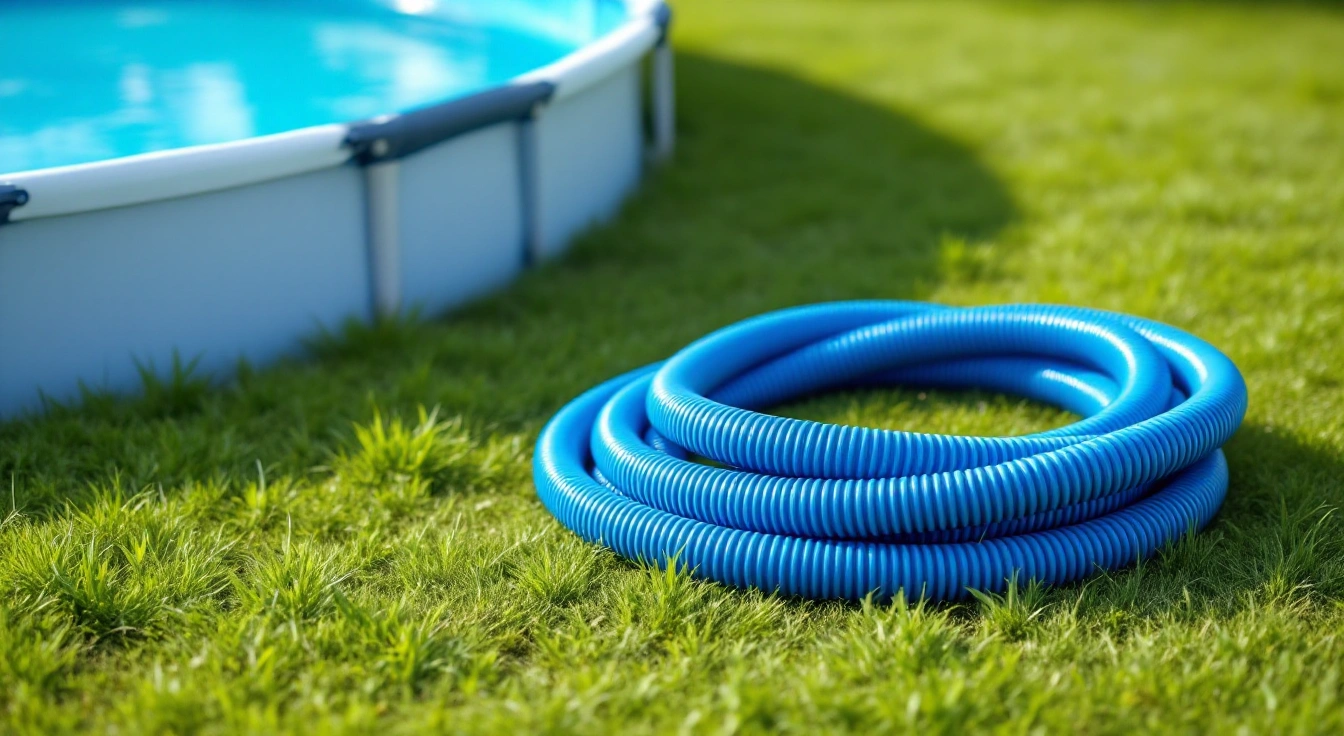
Use a head approved for your pool surface, a sound hose, a pole and the correct adapter. A stiff head or exposed edge can harm a vinyl liner. Look for cracks in the hose and worn seals at the connection. A small air leak can spoil suction even when water doesn't visibly leak out.
Skim leaves before vacuuming. This keeps bulky debris out of narrow passages and reduces the work left for the filter. Remove swimmers and keep children away from the cleaning area. Keep electrical equipment dry and follow the safety instructions for the pump.
Check the water level against the pool manual. The vacuum connection must stay supplied with water. Clean an accessible skimmer basket as its instructions allow. Record the filter's clean pressure under the same pump setting so that a later pressure rise has context.
Fill the hose and connect with the pump off
Attach the pole and hose to the head, then lower the head gently into the pool. Feed the hose below the surface until water fills it and air leaves. Keep the free end submerged. Don't start the pump with an empty hose and expect it to clear itself.
Turn the pump off before making the approved connection. Use the fitting shown in the pool or vacuum manual. Keep guards in place unless that exact procedure says otherwise. Restart only when the hose is full, the connection is secure, and the system is ready to circulate.
An Intex fitting can differ from a fixed-wall skimmer connection. The Intex vacuum setup guide explains how to identify that branch. Never adapt a generic skimmer instruction by removing parts until a hose happens to fit.
Work in slow lanes across the liner
Move the head in overlapping passes. Start where debris is light so you can check suction before reaching a dense patch. Fast movement lifts settled dust into the water. If that happens, pause and let it settle rather than chasing the cloud around the pool.
Keep the head under water. Lifting it while the pump runs can draw air into the hose. Use the pole for movement and don't pull hard on the hose. Avoid dragging the head over wrinkles or forcing it into a cove where it catches.
Watch the return flow and the pressure gauge, if fitted. If suction drops, shut off the pump before checking a basket or hose. Don't reach into a suction fitting. A stalled head can mean a blocked passage, trapped air or a poor connection, rather than a need for a larger pump.
Stop conditions and cleanup
Stop for a falling water level, loss of prime, a damaged hose or an unexpected pressure rise. A pump that has lost prime isn't moving a steady supply of water. Don't leave it running dry while you search for the cause. Disconnect power before any service step that requires it.
At the end, turn the pump off before removing the vacuum connection. Return the system to normal circulation using its manual. Rinse the head and hose, drain them, and store them without sharp bends. Check whether the filter now needs service.
Keep a short note of the problem you saw. Dirt returning from the outlet calls for a filter or routing check. Weak suction from the start calls for a hose, adapter or prime check. These are different faults and should not lead to the same automatic purchase.
Frequently asked questions
Can I vacuum while someone is swimming?
Keep swimmers out during cleaning. The hose and head add obstacles, and a suction connection creates a hazard. Follow the pool and cleaner instructions even if the equipment seems quiet. Wait until the vacuum is removed and the system is back in its normal safe state before anyone enters.
Why does the vacuum lose suction?
Look for air in the hose, a loose adapter, a clogged basket or a low water level. Stop the pump before checking parts. A clogged filter may also reduce flow. Compare the pressure and return flow with their normal condition instead of assuming the pump motor is too small.
Should I brush before vacuuming?
Brushing can lift material that a vacuum pass misses, but it can also leave dust suspended. Follow the pool's care instructions and allow stirred-up debris to settle before a floor pass. Use a brush made for the liner. Don't treat a clearer-looking floor as proof that the water is safe.
Do I need to backwash after vacuuming?
Only if the filter's service instructions call for it. Check the pressure trend and the filter type. Sand and some DE systems support backwashing; a plain cartridge normally needs removal and rinsing. Don't move a multiport valve while the pump is running or copy another filter's cleaning trigger.
Verdict on how to vacuum a pool
Knowing how to vacuum a pool means keeping the head supplied with water and choosing a supported debris route. Prime the hose, work slowly, and stop when flow or pressure changes. Check the equipment before replacing it. For a sand system, use the sand-filter vacuum guide for the valve branch.