
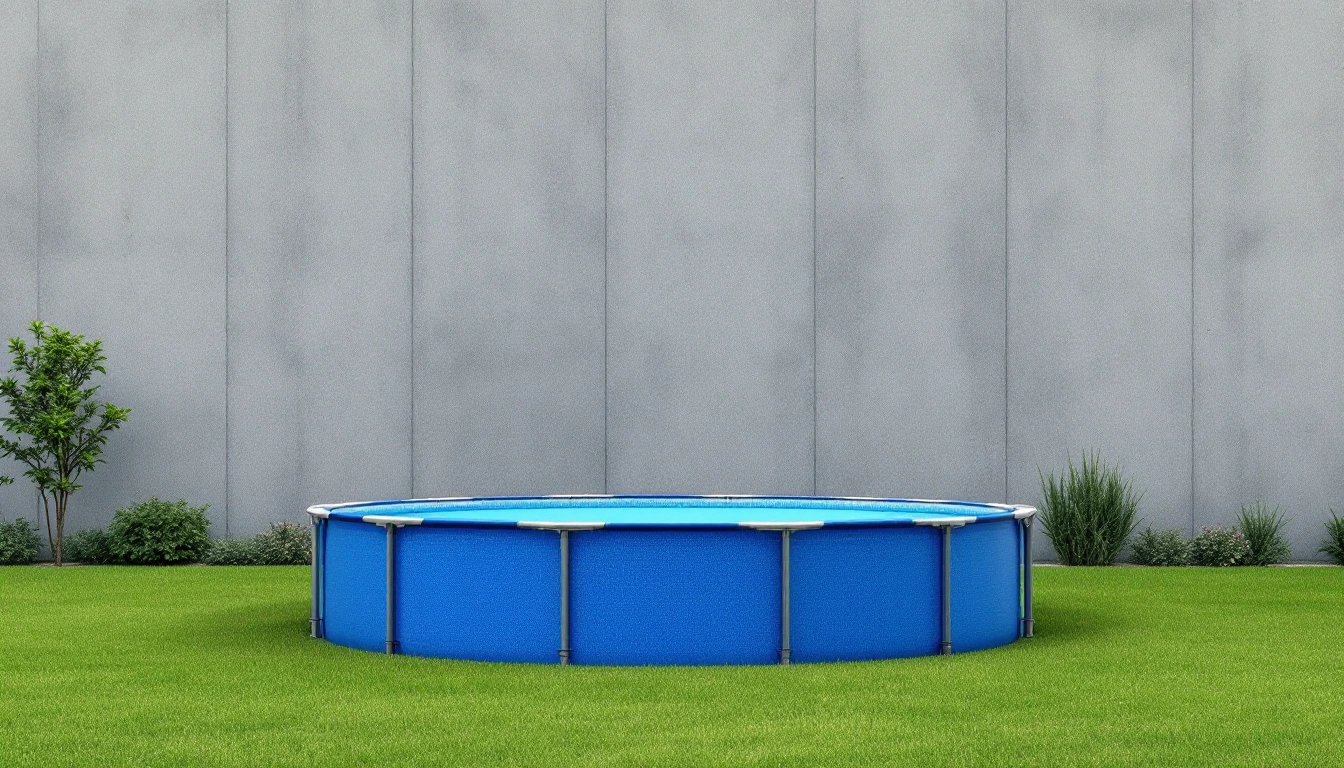
For an Intex pool, how to vacuum depends on the pool fittings and the cleaner you own. A pump-driven maintenance kit uses the pool's suction route. A return-driven cleaner uses a different connection. A rechargeable handheld unit collects dirt on its own. Don't swap these instructions just because all three devices clean an Intex pool.
How to vacuum an Intex pool: identify the equipment
Write down the model numbers from the pool and pump labels. Check the kit number on the box or head. A large hose connection can look similar across generations but use a different adapter. The manual should show which port feeds the pump and which returns filtered water.
The Intex Deluxe Pool Maintenance Kit page describes its manual vacuum as collecting debris through the filter. The current US listing gives a minimum pump flow requirement of 800 GPH. That requirement belongs to the listed kit, not every Intex vacuum or every pool configuration.
Find the corresponding manual through the official product or support page. Use its connection drawing and the parts list. If a used kit is missing an adapter, don't replace it with a household fitting chosen by eye. Contact the maker for the matching part number before applying suction.
Choose the right vacuum branch
| Equipment branch | Debris route | What to verify |
|---|---|---|
| Manual suction kit | Through the pool filter | Kit flow requirement and approved suction adapter |
| Return-driven automatic cleaner | Cleaner collection path as its manual states | Return fitting, pump range and exact pool type |
| Rechargeable handheld vacuum | Into the unit's own bag | Charging, immersion and bag instructions |
Scroll for more →
A return connection is not a substitute for the suction port of a manual kit. Don't judge the correct branch by how strongly a hose seems to fit. You need the water direction and the intended adapter. Read how to vacuum a pool if you need the general manual-vacuum sequence.
Inspect the head before lowering it. Its contact surfaces must be suitable for the liner. A broken edge, missing brush or damaged wheel is a reason to stop. Pick up large leaves separately so they don't clog the hose or filter during the floor pass.
Fill a manual vacuum hose with water
Attach the pole and hose to the kit head. Lower the head gently and feed the hose below the surface until air leaves. Keep the head on the pool floor without pressing it into a wrinkle. Keep the hose end submerged while you prepare the connection.
Turn the pump off before making the connection shown in the kit manual. Follow any required valve or strainer step for that pool. Don't remove safety covers unless the exact kit procedure calls for that part change. Never leave an unguarded suction opening accessible to swimmers.
Start the pump only when water can reach it through the full hose and connection. Check the return flow before moving the head. If the pump draws air or struggles to prime, stop and inspect the setup. Running it longer doesn't repair a leaking hose joint.
Vacuum the floor without stirring the dirt
Move in slow overlapping lanes. Keep the head submerged throughout the pass. Let loose fine debris settle if a quick movement lifts it into a cloud. Don't sweep the head back and forth at speed in an attempt to catch suspended dust.
Guide the pole rather than pulling the hose around the pool. Stop before lifting the head above water. Watch the inlet water supply and keep the pool level within the manual's operating range. If the kit has poor suction from the start, check its flow prerequisite and adapter before blaming the pool liner or head shape.
A small cartridge can load up during a dirty session. Stop the pump before any filter service. Use the cartridge-cleaning guide to understand the inspection questions, then follow the exact pump manual for removal and replacement.
Put the pool back into its normal state
Turn off the pump before disconnecting the vacuum. Restore the pool's original fittings and guards as the kit instructions direct. Rinse and drain the hose and head. Store the hose without sharp bends and keep small adapter parts together so the next setup isn't a guessing exercise.
Check that normal circulation returns. Look for an air leak or dripping fitting. If the pump fails to prime, stop rather than leaving it dry. Keep the cord and plug away from water, and don't use an extension arrangement that the manual forbids.
Record the kit and adapter numbers beside the pool manual. This is more useful than a note saying only that the pool is Intex. The maker uses many pool and pump combinations. A correct setup for a different one can still be wrong for yours.
Frequently asked questions
Will any Intex vacuum work with any Intex pool?
No universal fit should be assumed. Check the exact pool fittings, pump range and vacuum manual. A return-driven cleaner and a manual suction kit use different water routes. The same brand name doesn't prove that the adapter, flow or liner requirements match. Missing compatibility evidence is a reason to pause.
What does the kit's pump flow requirement mean?
It is a prerequisite published for that kit. It doesn't mean every pump at the advertised number will provide the same flow through your actual hose and filter. A dirty filter, air leak or wrong adapter can reduce suction. Compare the kit requirement with the exact pump and pool instructions.
Why do bubbles appear when I connect the vacuum?
The hose may contain air or a joint may draw it in. Stop the pump and refill the hose below the water surface. Check the adapter and seals. Also check the pool water level. Don't let the pump run dry while you repeatedly reconnect a hose that is still empty.
Do I leave the vacuum connected after cleaning?
Follow the kit's removal instructions and restore the normal fittings. A manual floor-cleaning session isn't a reason to leave an altered suction connection in place. Remove the head and hose before swimmers return. Check circulation afterward, and keep the small adapter parts with the kit for the next session.
Verdict on Intex pool how to vacuum
For an Intex pool, how to vacuum starts with the exact kit and pump numbers. Use the documented adapter, prime a manual hose and stop at the first loss of flow. If your sand system supports another debris route, read the sand-filter vacuum instructions before changing a valve.