
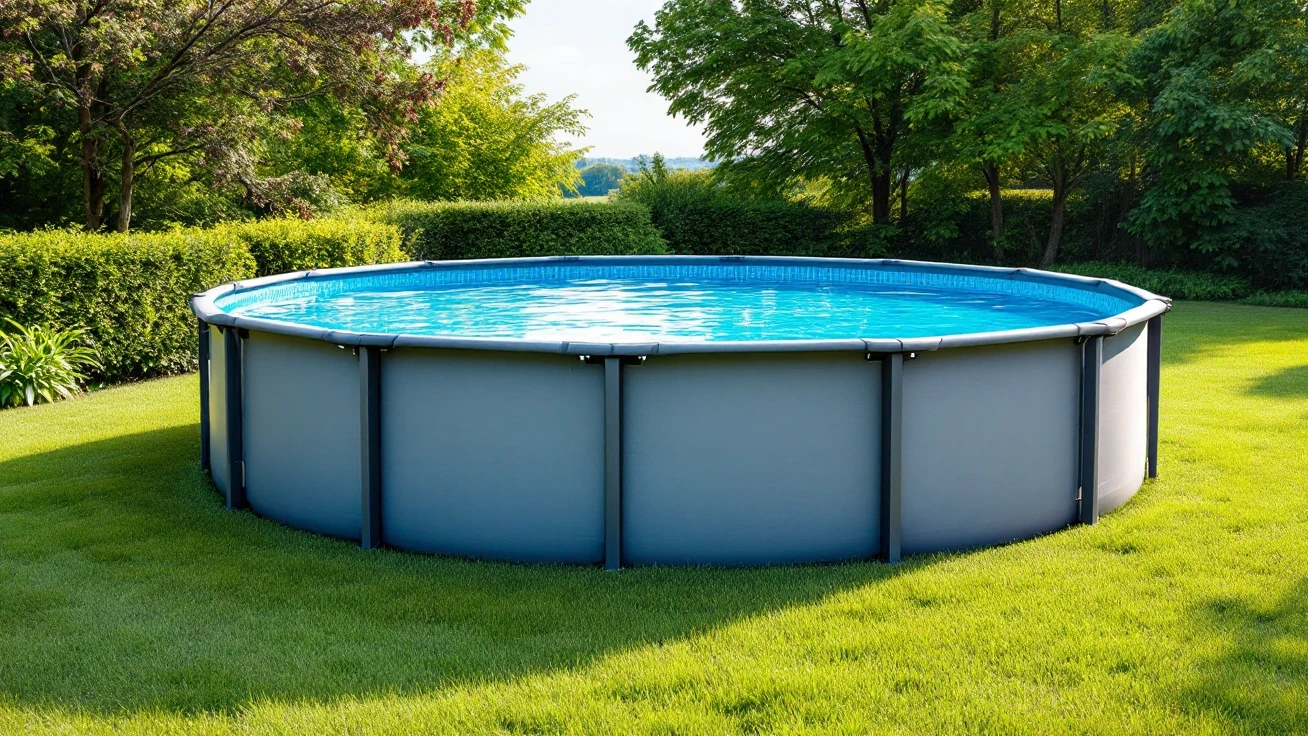
Aiper lists the Scuba S1 as a cordless robot for the floor, walls and waterline. The 2024 catalog listing says it suits inground and above-ground pools up to 1600 sq. ft. Its stated runtime is 150 minutes.
The tricky part is that Aiper's US page now describes a different spec set. This article keeps the two versions apart. It covers what the older listing supports, what it leaves unclear, and who should look elsewhere.

Aiper Scuba S1 (2024) Aiper Scuba S1 (2024)
Our verdict:
Add wall and waterline work
Compare the listed vertical tasks only when the exact 2024 unit and pool structure are supported.
View on Amazon- Catalog lists floor, wall and waterline tasks
- 2024 catalog runtime: up to 150 minutes
- Catalog lists above-ground and in-ground use
Keep in mind: Not the current US upgrade. Do not transfer its 180-minute runtime, MicroMesh, app or shallow-area features. Exact supplied manual, filter and geometry fit need confirmation.
What the 2024 Aiper Scuba S1 listing supports
The listing is titled Aiper Scuba S1 (2024). It names floor, wall and waterline cleaning, and it gives a 150-minute runtime. It also lists four modes: Auto, Wall, Waterline and Eco.
The body uses tank-style tracks instead of wheels. The listing says this helps on uneven surfaces, slopes and drains. It also names WavePath 2.0 navigation with 11 sensors. That is the maker's term for its path planning.
These are maker claims from a catalog entry. We did not test any of them. Treat them as a starting checklist, not proof of results in your pool.
Aiper Scuba S1 versions: why the numbers differ
The current US Aiper Scuba S1 page shows different details from the 2024 listing. Its spec panel gives 180 minutes of battery life. It also names a 3 micron MicroMesh filter, an app, and a 12-inch shallow-area feature.
None of those three items appear in the 2024 listing. So do not assume an older unit has them. A seller's listing, a box and a maker page can each describe a different build.
The maker page is also not fully consistent. It still carries a 150-minute floor-cleaning description next to the 180-minute panel. Other runtime figures appear in its promotional copy as well. We will not pick one number and call every S1 identical.
For the 2024 listing, use 150 minutes. For anything newer, check the exact version and its manual before you rely on any figure.
Where it fits
The listing names inground and above-ground pools up to 1600 sq. ft. That is a range, not a promise for every shape. The maker page names concrete, fiberglass, vinyl and tile finishes for the current page. It does not say how that applies to the 2024 version.
A rigid inground pool with a clear floor and firm walls is the easiest match on paper. A leafy backyard pool that needs regular surface cleaning is the job this class of robot targets. A small, plain pool may not need a robot at all.
Above-ground use is conditional. Check your wall height, wall angle and liner type. Soft sides, steps, ladders and curved transitions can all change how a tracked body behaves. Only the exact manual for your version can settle that.
If your pool is mostly steps or very soft-sided, consider a manual pool vacuum instead. It gives you full control over every corner. It also costs you time.
Wall work, tracks and retrieval
The tracked body is the main design choice here. Tracks spread weight and grip a surface along a longer contact patch. The listing ties them to slopes, drains and uneven areas.
Grip still depends on the surface. A slick or algae-coated wall can reduce traction on any robot. A listing cannot tell you how this one handles your finish.
Wall and waterline cleaning is the other big claim. The listing says one cycle covers floor, walls and waterline. Check that against the mode list, because Wall and Waterline are also separate choices. A single mode may not do every job.
Retrieval matters more than people expect. A cordless robot that stops mid-pool must be fetched. The listing text does not mention a retrieval tool. The current maker page lists a retrieval hook in the box, but that applies to the current page. Confirm what comes with your exact unit.
Filter and basket care
A robot like this traps debris in a basket or filter and returns clean water to the pool. Both need emptying and rinsing. A full basket can slow the whole job.
The 2024 listing does not state a filter grade. The current page names a 3 micron filter, but that detail belongs to the current page. Do not assume fine-silt capture on an older unit.
Filtering is not sanitizing. A robot removes debris and scrubs surfaces. It does not kill bacteria or algae spores in the water. Your normal chemical routine still does that job, following your own manuals.
For a pool with a lot of sand or silt, filter grade matters most. For leaves and twigs, basket size matters more. Ask which one describes your pool before you compare.
Work that stays manual
Even a good robot leaves chores. You will still skim large leaves. You may still brush corners, steps and tight spots the robot cannot reach.
You also still handle charging, storage and basket rinsing. The robot does not manage water chemistry, circulation or your pump and filter. Keep your existing equipment working.
A robotic pool skimmer is a different tool. It works the surface, not the floor. A pool that mostly collects floating debris may suit that type better.
Reasons to keep your current gear
A working suction or pressure cleaner may already do the job. If it covers your floor and walls, a cordless robot adds little. You would trade a hose and pump hookup for a battery and a charging routine.
Keep your existing cleaner if your pool is small, simple and easy to brush by hand. Keep it if you hate charging gear. Keep it if the exact S1 version you can buy has no manual you can read first.
If you want to compare cleaner types, see cordless robotic pool cleaners and suction-side pool cleaners. For a head-to-head with another brand, see WYBOT vs Aiper.
Related Aiper models
The S1 is one of several Aiper models, and they are not interchangeable. The Aiper Scuba S1 Pro and the Aiper Scuba N1 have their own pages. Do not carry specs from one page to another.
Factors to consider when choosing Aiper Scuba S1
Work through these points before you decide:
- Exact version. Match the box, the listing and the manual. A 2024 listing is not the current US model.
- Pool surface. Check liner, tile or concrete against the manual. Do not trust a general list of materials.
- Walls and steps. Look at wall angle, steps and shelves. Tracks help, but they do not guarantee climbing.
- Debris type. Leaves need basket room. Fine silt needs a finer filter, and that grade is not stated for 2024.
- Retrieval. Plan how you will pull the robot out when it stops.
- Charging and storage. You need a dry spot and a routine.
- Remaining chores. Plan for skimming, brushing and normal water care.
How We Picked
This is specification-based editorial analysis. We read the 2024 catalog listing and the maker's current US page. We did not run hands-on tests of this robot.
We kept each version's claims separate. We used only details that the sources state. Where they do not say, we say so and send you to the manual.
Our verdict on Aiper Scuba S1
The Aiper Scuba S1 is a reasonable candidate for a rigid pool with steady leaf debris. The listing supports floor, wall and waterline work with a tracked body. The 150-minute figure is a runtime, not a promise of full coverage.
Buy only after you confirm the exact version and read its manual. Be careful with soft liners, steps and fine silt. If you want filter details or app features, check that they belong to your unit.
Frequently asked questions
Is the 2024 Aiper Scuba S1 the same as the current US model?
Not necessarily. The 2024 listing states 150 minutes. The current maker page shows a 180-minute spec panel, a 3 micron filter and a 12-inch shallow-area feature. Those belong to the current page. Check your exact version and manual before assuming they apply to an older unit.
Can it clean above-ground pools?
The listing names above-ground and inground pools up to 1600 sq. ft. That is a category claim, not a fit guarantee. Check your liner, wall shape and the manual for your exact version. Soft liners and steps deserve extra caution before you buy.
Does 150 minutes mean it cleans a whole 1600 sq. ft. pool?
No. Runtime is how long the battery lasts per cycle. The area figure is a maker rating. Pool layout, debris load and obstacles decide real coverage, so check results after a cycle instead of assuming one run covers everything. The exact mode also matters.
Does a robot like this sanitize the water?
No. It scrubs surfaces and traps debris in a basket or filter. Sanitizing is a chemical job handled by your normal water care. Keep following your pool's routine and your manuals. The robot only reduces debris and film on surfaces.